If you are going through severe postpartum pain this is a warning sign that something is wrong and you should seek immediate medical. During the postpartum period complications may be due to hemorrhage obstetrical trauma thromboembolic phenomena puerperal infections and eclampsia 1.
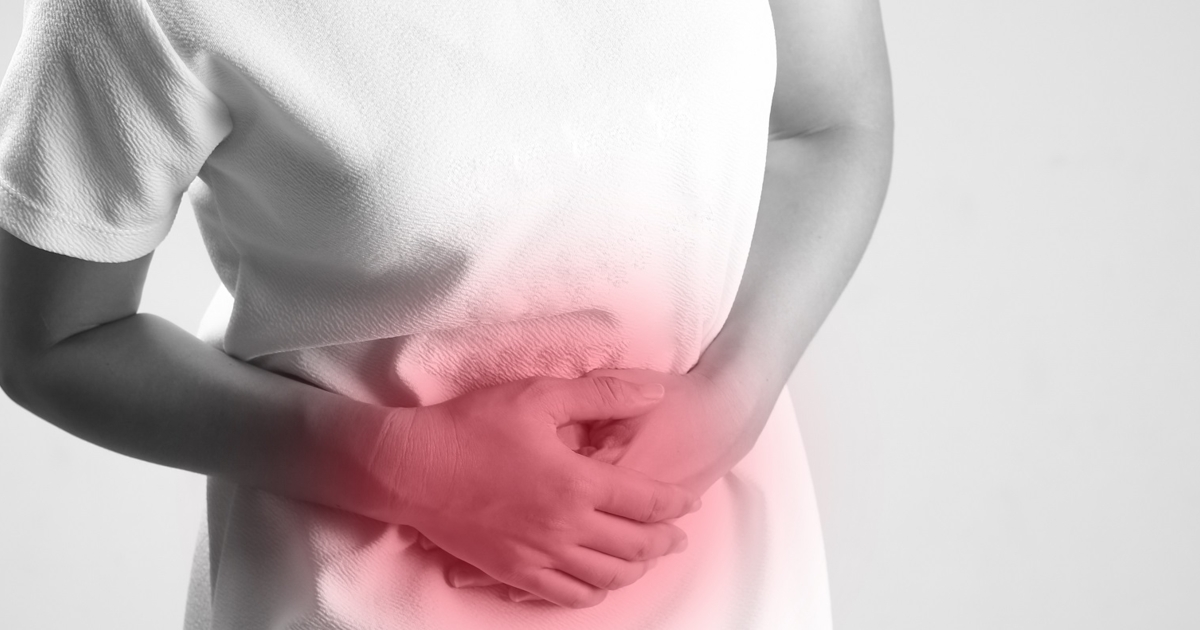
Postpartum Abdominal Pain What Should I Expect
Authors D F Brennan 1 A L Harwood-Nuss.

Postpartum stomach pain. Abdominal pain should be approached in the postpartum period as in any other non-pregnant state to avoid delayed diagnosis. You could also be hemorrhaging and that can be deadly. Affiliation 1 Department of Surgery.
If you had a c-section postoperative complications need to be ruled out. Lower abdominal pain postpartum is usually caused by afterpains constipation or C-section healing. Other symptoms include low-grade fever nauseavomiting abdominal pain that gets worse with movement and diarrheaconstipation.
Although the focus of pain control during pregnancy has been on labor and. Postpartum gas is when a woman experiences increased flatulence after having a baby. Any severe pain postpartum dont be afraid to call your doctor or even the hospital where the baby was born.
If you had a C-section the pain may last a bit longer. Other causes of lower abdominal pain may not be physiologically based but are either direct complications of parturition such as genital infection or fortuitous such as appendicitis. Hormonal fluctuations cause these dark patches on the forehead cheeks.
But there are women who continue to experience severe pain and aches months after delivery. Your afterpains get worse instead of better. A full bladder increases discomfort and worsens abdominal cramps so peeing often provides relief and prevents the pain.
Hopefully yours was an easy fix like mine. If you are still experiencing postpartum sharp abdominal pain let a health care provider know. You have severe or persistent pain anywhere in your abdomen or pelvis.
In diagnostic uncertainty a multidisciplinary approach can aid timely diagnosis and management. You may have postpartum hemorrhage also called PPH. Postpartum abdominal pain lower and upper.
You may have deep vein thrombosis also called DVT. In the case of severe abdominal pain which may indicate an incarceration where the bowel gets stuck through the hernia site or strangulation when the blood supply to the bowel is cut off an emergency visit and surgery would be indicated. In the postpartum patient abdominal pain may be caused by both obstetrical and non-obstetrical etiologies.
If you experience any extreme abdominal back or pelvic pain see your doctor right away. Up to 70 percent of expectant moms get melasma the mask of pregnancy. This happens when a blood clot forms deep in the body usually in.
Its a serious but rare condition that can happen up to 12 weeks after having a baby. The pain should disappear by your first postpartum checkup which is usually around six weeks after the delivery. Do not let your bladder fill up until you have strong urge to pee before you visit the bathroom.
While uncomfortable it is typically not dangerous. Postpartum abdominal pain Ann Emerg Med. You have severe or persistent pain or tenderness and warmth in one area of your leg or one leg is more swollen than the other.
Lower abdominal postpartum pain could be due to prolonged contractions of the uterus and breastfeeding. Sometimes the pain could also be the result of complications such as genital infections or appendicitis or. Postpartum After delivery the most noticeable symptom is a bulge or pooch in your belly area.
Pain swelling redness warmth or tenderness in your legs especially in your calves. Postpartum abdominal pain can occur from several conditions. You have pain or soreness that gets worse or lasts longer than the first few weeks.
Go as often as possible. It is normal to experience some pains and aches after giving birth and usually these aches and pains subside with time. Postpartum gas is common and usually goes away on its own but can also be a sign of a pelvic injury or.
Bowel obstruction is uncommon in pregnancy but it is most prevalent in the third trimester and puerperium. Congrats on the baby. Tips on Relieving Postpartum Abdominal Pain 1.
PPH is when a woman has heavy bleeding after giving birth. Here is a look at the most common possible causes of postpartum abdominal pain as well as some easy tips for handling it while you are caring for your newborn and yourself.