After surgery Hip replacement patients area unit given an extended list of things to not do do not bend the hips or knees additional than ninety degrees dont cross the legs dont carry the leg to place on socks and far a lot of. Are there permanent restrictions after hip replacement.
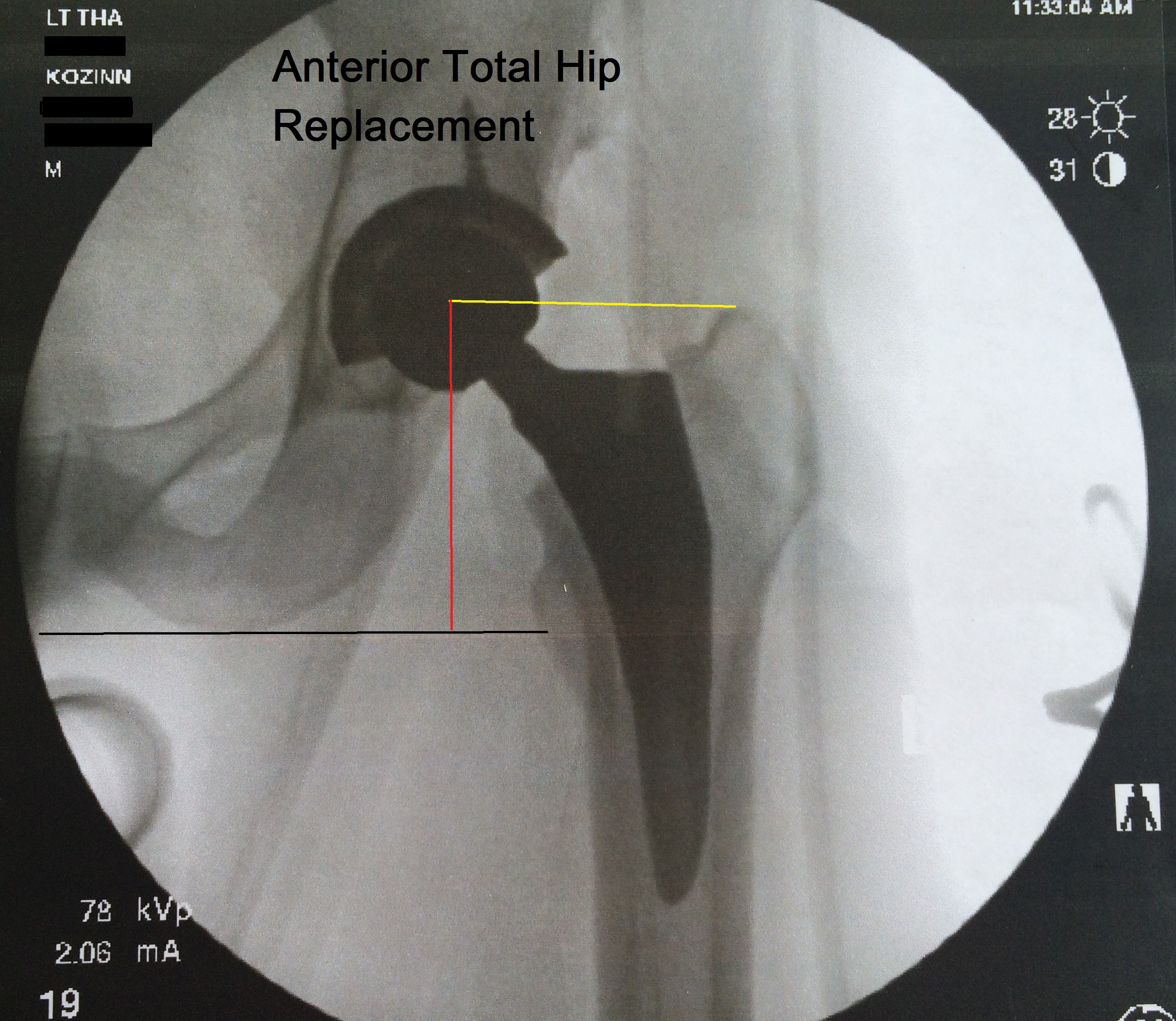
Stuart Kozinn Md 2 6 Scottsdale Joint Center
When At Home Avoid Climbing the Stairs.
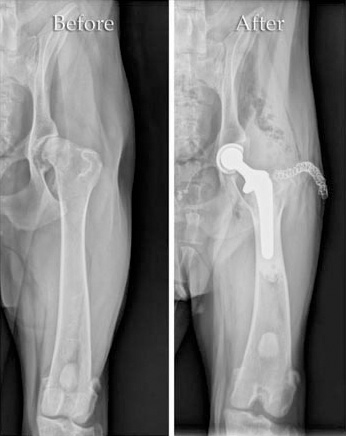
Permanent restrictions after hip replacement. My legs were weak and I could barely get in and out of a car or off the toilet. Do not cross your legs or. During this period dont turn your toes in or out.
Obey Movement Restrictions Hip replacement patients are given a long list of things not to dodo not bend the hips or knees further than 90 degrees do not cross the legs do not lift the leg to put on socks and much more. The transition to a sit-down job is not easy task and it often results in less earning power. Are there permanent restrictions after hip replacement.
Bend beyond 90 degrees. We encourage our clients who are given work restrictions to start thinking about their future. As much as you possibly can.
You need to remain under total hip precautions for about 12 weeks. When Can You Bend Past 90 Degrees After Hip Replacement. They may even not be able to do it at all and must not try it under any circumstances.
One needs to restrict high-velocity high-impact activities running jumping water skiing etc. Following are Some Hip Replacement Long Term Restrictions and Precautions. Physiotherapy - Shockwave Therapy - Injection Therapy - AlterG Treadmill - Sports Medicine.
The purpose of surgery is to reduce pain and improve mobility. You should not bend your hip beyond 60 to 90 degrees for the first six to 12 weeks after surgery. Avoid crossing your legs as well.
Avoid crossing your legs as well. Because of the inherent limitation of the design of artificial joints some life-long precautions have to be observed. Ad Core Physio - Glasgow and Lanarkshires leading Physiotherapy and Rehabilitation service.
It may sound painful as is but bending at the waist beyond 90 degrees is completely a no-no for hip replacement patients. This is especially true when an employee ends up with permanent restrictions after hip replacement. During this period dont turn your toes in or out.
These movement restrictions protect the new hip from dislocation. Physiotherapy - Shockwave Therapy - Injection Therapy - AlterG Treadmill - Sports Medicine. If you are in good health and follow the advice of your doctor and physical therapist the risks of permanent restrictions after hip replacement are low although certain precautions should be observed.
Only use the stairs if you absolutely HAVE to such as small entry steps into the house or stairways to necessary rooms the only bathroom in the house the bedroom. After a total hip replacement with a posterior incision three movements should be avoided to prevent the dislocation of the hip prosthesis. This is especially true when an employee ends up with permanent restrictions after hip replacement.
The transition to a sit-down job is not easy task and it often results in less earning power. You need to remain under total hip precautions for about 12 weeks. We encourage our clients who are given permanent restrictions after hip replacement to start thinking about their future.
Not all patients need to comply with these restrictions as they differ with the incision location and type of hip prosthetic used. Low-risk patients undergoing a total hip replacement with a posterior approach can skip the standard hip precautions currently recommended for post-surgical recovery according to a new study. For many people life after hip replacement means less pain easier movement and the ability to maintain a more active lifestyle.
I was using a cane and heading to a wheel chair before my hip replacements. Ad Core Physio - Glasgow and Lanarkshires leading Physiotherapy and Rehabilitation service. Certain positions of the joint should be avoided crossing.
What Not to Do After Hip Replacement Surgery. These movement restrictions defend the new hip from dislocation.